
If you remove your hearing aid and notice that the small silicone dome is missing, it may have become lodged in your ear canal. While this is usually not an emergency, it’s important to have your ear checked by a hearing healthcare professional as soon as possible.
What is a hearing aid dome?
Hearing aid domes are small silicone tips that attach to the part of a hearing aid that sits inside the ear canal. They come in different shapes and sizes depending on your hearing needs, ear anatomy, and hearing aid manufacturer.
Although domes are designed to remain securely attached to hearing aids, they can occasionally become dislodged. This may happen if a dome is not attached properly, has become worn, or is not the appropriate fit.
What are the symptoms of a dome stuck in your ear?
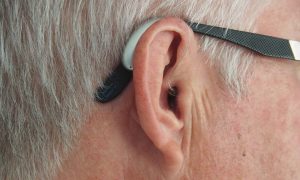
Some people experience no symptoms at all, while others may notice:
- A feeling of fullness or blockage in the ear
- Reduced or muffled hearing
- Discomfort or ear pain
- Ringing or buzzing in the ear (tinnitus)
The absence of symptoms does not mean that your ear canal is clear. If your hearing aid dome is missing and you cannot locate it, it’s important to have your ear examined.
Can a hearing aid dome cause damage if left in the ear?
A dome that remains lodged in the ear canal can cause irritation, inflammation, or infection. In some cases, it may trap moisture or earwax, increasing the risk of complications. Attempting to remove it improperly can also cause injury to the ear canal or eardrum.
Even if you are not experiencing symptoms, a missing dome should never be ignored.
What should you do?

Do not attempt to remove the dome yourself. Using cotton swabs, tweezers, water, or other objects may push it deeper into the ear canal or cause injury.
Avoid wearing your hearing aid in the affected ear until an audiologist or healthcare professional has confirmed that the ear canal is clear.
Have your ear checked promptly
Arrange an appointment with your audiologist or another qualified healthcare professional as soon as possible. A professional can examine your ear canal and determine whether the dome is present and how it can be safely removed.
If you experience significant pain, bleeding, discharge, or dizziness, seek prompt medical attention.
Once the dome has been removed, your audiologist can check that your hearing aid dome is the appropriate size and is securely attached. Regular dome replacement and proper handling can help reduce the likelihood of this happening again.
Missing a hearing aid dome? Contact Clayton Park Audiology & Hearing Aid Centre to arrange an ear examination. Our registered audiologists can assess your ear canal and provide guidance on the appropriate next steps.

Author
Patricia Gazeley
REGISTERED AUDIOLOGIST
Patricia is a passionate advocate for hearing health, inspired by her personal experience with hearing loss. She empowers others through education to take charge of their hearing health and become advocates for themselves.