
Choosing hearing aids is a meaningful investment, not only financially, but for your overall quality of life. If you’ve started researching hearing aid prices in Halifax, Nova Scotia, you may already feel overwhelmed, as prices and service plans often vary significantly between clinics. And while it’s natural to compare costs at first, what truly matters is the care that comes with the devices, especially consistent, ongoing follow-up care by a registered audiologist.
This guide outlines what should be included in a high-quality hearing aid package, why follow-up care is essential, and how comprehensive audiologist-led support shapes long-term success.
Hearing Aid Pricing in Nova Scotia

In Nova Scotia, most professionally fitted hearing aids range from approximately $1,500 to $4,000 per device, depending on:
-
Technology level
-
Features (e.g., Bluetooth, noise reduction, rechargeability)
-
Manufacturer warranties
-
Service plan and follow-up support
However, the device itself is only one part of the overall cost. The real value comes from the follow-up care woven into the experience by your registered audiologist.
Why Follow-Up Care Matters More Than Most People Realize
Hearing aids are not a one-time purchase. They are medical devices that require expert setup, verification, ongoing adjustments, maintenance, and long-term monitoring.

Consistent follow-up is essential because:
-
Your brain needs time to adjust to new sound
-
Hearing can change over time
-
Devices must be optimized to real-world listening environments
-
Small issues (comfort, sound quality, wax buildup) become big issues if ignored
-
Patients succeed when they feel supported, guided, and cared for
Proper follow-up care from your audiologist transforms hearing aids from “devices you bought” into “tools that help you hear your best.”
Why Price Shouldn’t Be the Only Deciding Factor
While hearing aid price is important, the value you receive matters even more. A properly fitted, well-supported hearing aid can last 5 years or longer, and the difference in daily communication is often life-changing. When comparing prices across clinics, consider:

1. How many follow-up appointments are included not only during the trial period, but in the months and years that follow.
2. Whether real-ear measurements (REM) are performed, as they are essential for accurate and personalized programming.
3. The service plan that comes with the devices, and what type of support is included throughout. Often clinics will advertise “lifetime support” which is misleading as the average lifespan of a hearing device is 5 years. It is also wise to clarify if the support is provided by an audiologist or support staff.
4. Is ear wax removal included, especially for patients who are prone to wax buildup? Some clinics include this and others do not. And some clinics include it but with limited techniques and equipment.
5. What happens once the manufacturer’s warranty expires? Does the clinic offer extended care options for patients who require more care?
6. Loaner devices. Access to loaner technology if your devices need to be sent away for repair varies across clinics. Some charge additional fees; others provide them at no cost.
7. Will you see the same audiologist at each visit? Continuity of care often leads to more efficient appointments, better fine-tuning, and a more comfortable experience overall. In some clinics, patients may see a different provider at each visit, which can impact long-term outcomes.
8. How accessible and supportive the clinicians are, and whether appointments are proactive rather than problem-based.
Your hearing is a long-term investment. Choosing a clinic that focuses on care and not just devices will always create better outcomes.
What Should Be Included in a Hearing Aid Package
Before a hearing aid consultation takes place, a comprehensive diagnostic hearing assessment should be completed. This type of hearing test goes beyond a basic screening and is often scheduled as a separate appointment in clinics that prioritize patient care over hearing aid sales. These assessments are typically provided for a professional fee and include a detailed written report.
The results ensure any hearing aid recommendations are accurate, appropriate, and safely prescribed, as not all hearing devices are suitable for every type of hearing loss.
Once a comprehensive diagnostic hearing assessment has taken place, the following items should be included in a hearing aid service package:
1. A Complete Hearing Aid Evaluation & Needs Assessment
Before choosing hearing aids, your audiologist will complete a communication needs assessment. This helps them understand how and where you struggle to hear in everyday life, such as conversations, work settings, or noisy environments.
Using this information, along with your hearing test results, your audiologist can recommend the right type of hearing aid for you. This includes whether a custom or behind-the-ear style is best, if Bluetooth or rechargeable options are appropriate, and whether additional accessories may help improve your listening experience.
2. Audiologist-Led Fitting and Verification
High-quality hearing aid fitting requires:
-
Verification testing (known as real-ear measurements or REMs)
-
Individualized programming
-
Counselling on adaptation and realistic expectations
This is the gold standard for best outcomes.
3. Multiple Follow-Up Appointments During the Trial Period
New and experienced hearing aid users should never be left on their own after being fit with new devices. They need several touchpoints to ensure comfort, clarity, and confidence. Patients should be seen multiple times throughout their trial period to ensure their devices are set up for everyday success.
4. A 6-Month Follow-Up (Especially for First-Time Users)
A dedicated check-in six months after receiving hearing aids helps ensure:
-
Communication needs established during the initial consultation have continued to improve.
-
The brain is adapting well.
-
Sound settings are appropriate.
- Any discomfort or challenges are addressed.
*It is one of the most important appointments for long-term success.
5. Annual Hearing Tests and Hearing Aid Check Appointments (or as needed)
Because hearing and overall health changes over time, annual visits help ensure:
-
Hearing aids continue to match your current hearing loss prescription
-
Performance remains optimal through hearing aid performance checks and firmware updates
-
Your hearing health is monitored by a professional through annual hearing assessments
If you’re looking for audiologist-led care grounded in best practices, we invite you to book an appointment for yourself or someone you care about.
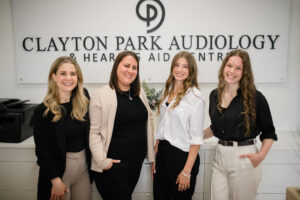
Learn about our Registered Audiologists.
Learn about our Hearing Aid Services.
References
American Speech-Language-Hearing Association (ASHA).
Hearing Loss Association of America (HLAA).
Canadian Academy of Audiology (CAA).
Industry pricing data from major hearing aid manufacturers (Oticon, Phonak, Signia, Widex, Starkey).

Author
Lyndsay Bozec
REGISTERED AUDIOLOGIST, NSCASLP
Lyndsay is a passionate advocate for hearing health awareness and hearing preservation. Over the years she has delivered various hearing health presentations and hearing aid workshops for caregiver workshops across HRM.